
Vetoquinol
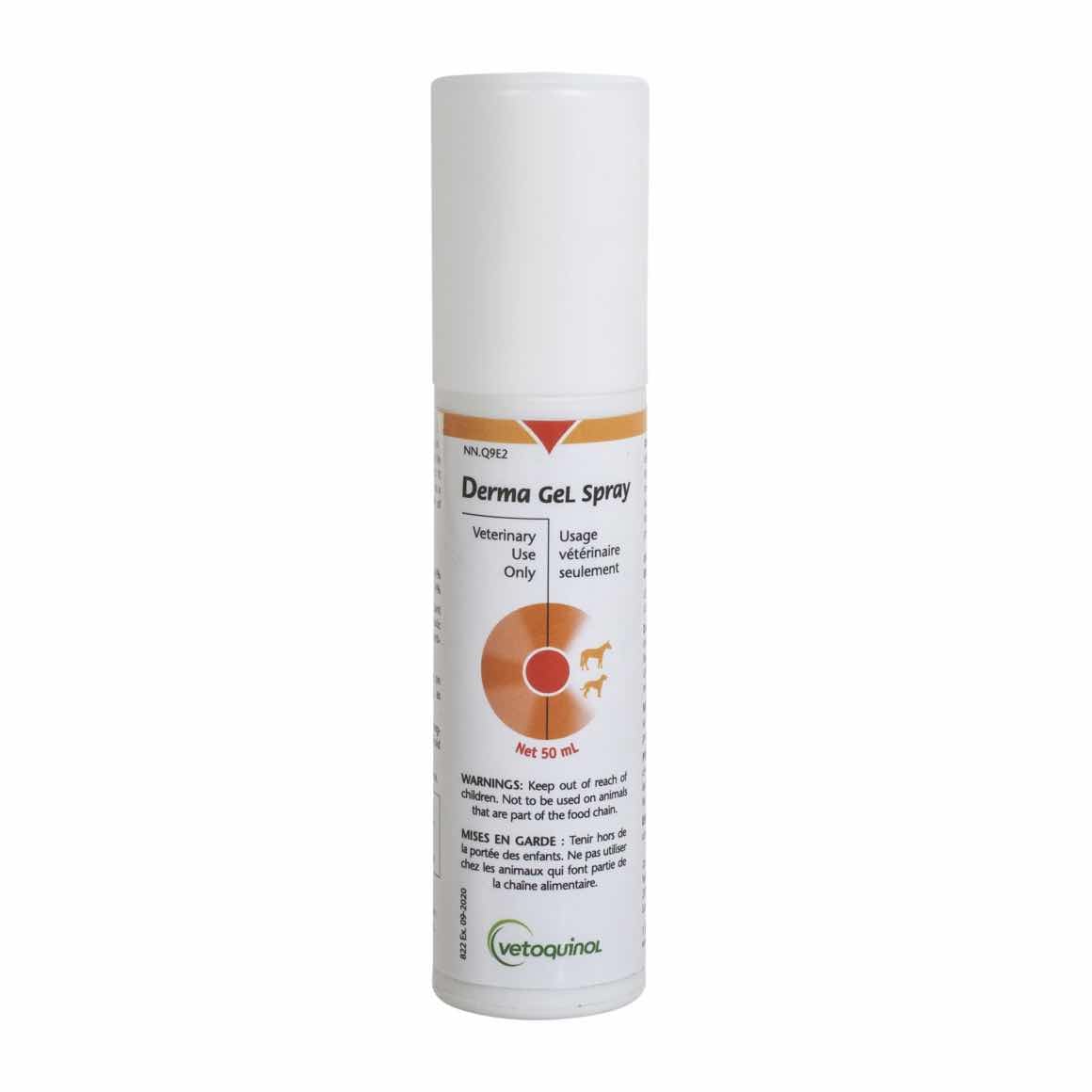
Vetoquinol Derma Gel Wound Hydrogel for Dogs & Cats
Most orders ship within 2-3 business days; delivery is typically 2-5 business days after that, depending on the shipping service selected at checkout. Estimated total: 4-8 business days.
Questions about your order? Email orleansrxinfo@gmail.com - that's the fastest way to reach us. The pharmacy phone line is reserved for prescription and in-store service.
Vetoquinol Derma Gel Wound Hydrogel for Dogs & Cats
50 ml Spray
2746 St Joseph Blvd
2746 St Joseph Blvd
100
Ottawa ON K1C 1G5
Canada
Choose options
Most orders ship within 2-3 business days; delivery is typically 2-5 business days after that, depending on the shipping service selected at checkout. Estimated total: 4-8 business days.
Questions about your order? Email orleansrxinfo@gmail.com - that's the fastest way to reach us. The pharmacy phone line is reserved for prescription and in-store service.
Most orders ship within 2-3 business days; delivery is typically 2-5 business days after that, depending on the shipping service selected at checkout. Estimated total: 4-8 business days.
Questions about your order? Email orleansrxinfo@gmail.com - that's the fastest way to reach us. The pharmacy phone line is reserved for prescription and in-store service.
Vetoquinol Derma Gel is a professional veterinary hydrogel for moist wound healing and gentle autolytic debridement. Its high-water-content gel donates moisture to dry, necrotic tissue, rehydrating and softening it for natural separation, while keeping viable tissue at optimal moisture and providing a cooling, soothing effect.
Key features:
- High-water hydrogel rehydrates dry, necrotic wounds
- Facilitates autolytic debridement of necrotic tissue and slough
- Maintains a moist environment for healing tissue
- Cooling, soothing effect reduces discomfort
- Available in 50 ml spray, 100 ml tube, and 10 ml unit-dose tubes (box of 60)
Use for dry, necrotic, or sloughy wounds needing debridement, slow-healing dry wound beds, burns, and pressure sores. Not for heavily exuding wounds - use an absorbent dressing instead. Works best kept in close contact with the wound bed: cover with a secondary non-adherent dressing and outer bandage, and apply at each dressing change (typically every 24-48 hours). The spray suits hard-to-dress sites; the tube fills wound cavities.